
Swim, snorkel and surf
Within 35 minutes of the retreat
For swimming, snorkelling, surfing, kayaking, fishing or just a stroll along the sand, you are spoilt for choice: a freshwater swimming hole five minutes' walk from the door, four of the best beaches on the Matakana Coast, and a quiet bay at the tip of the Mahurangi Peninsula.
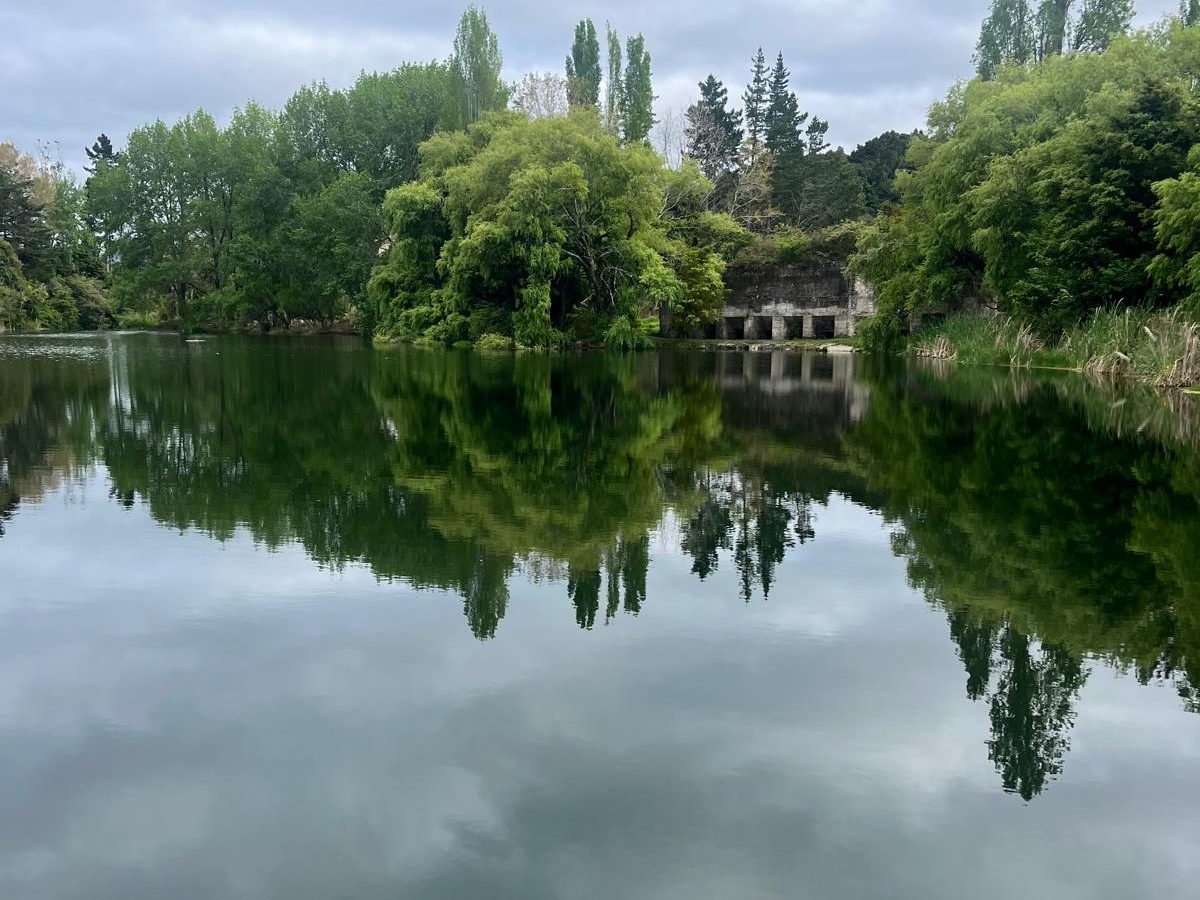
Across the road from the retreat, the old limestone quarry of Wilson's cement works has filled into a deep freshwater lake, ringed by trees beside the Mahurangi River. The fenced ruins next to it are what is left of the first factory in Australasia to make Portland cement commercially. On a hot summer's day this is where the locals cool off, with grassy banks and picnic spots between the ruins and the water.
It is deep and there is no lifeguard, and the Council puts up warning signs if the water quality drops, so read them before you go in.
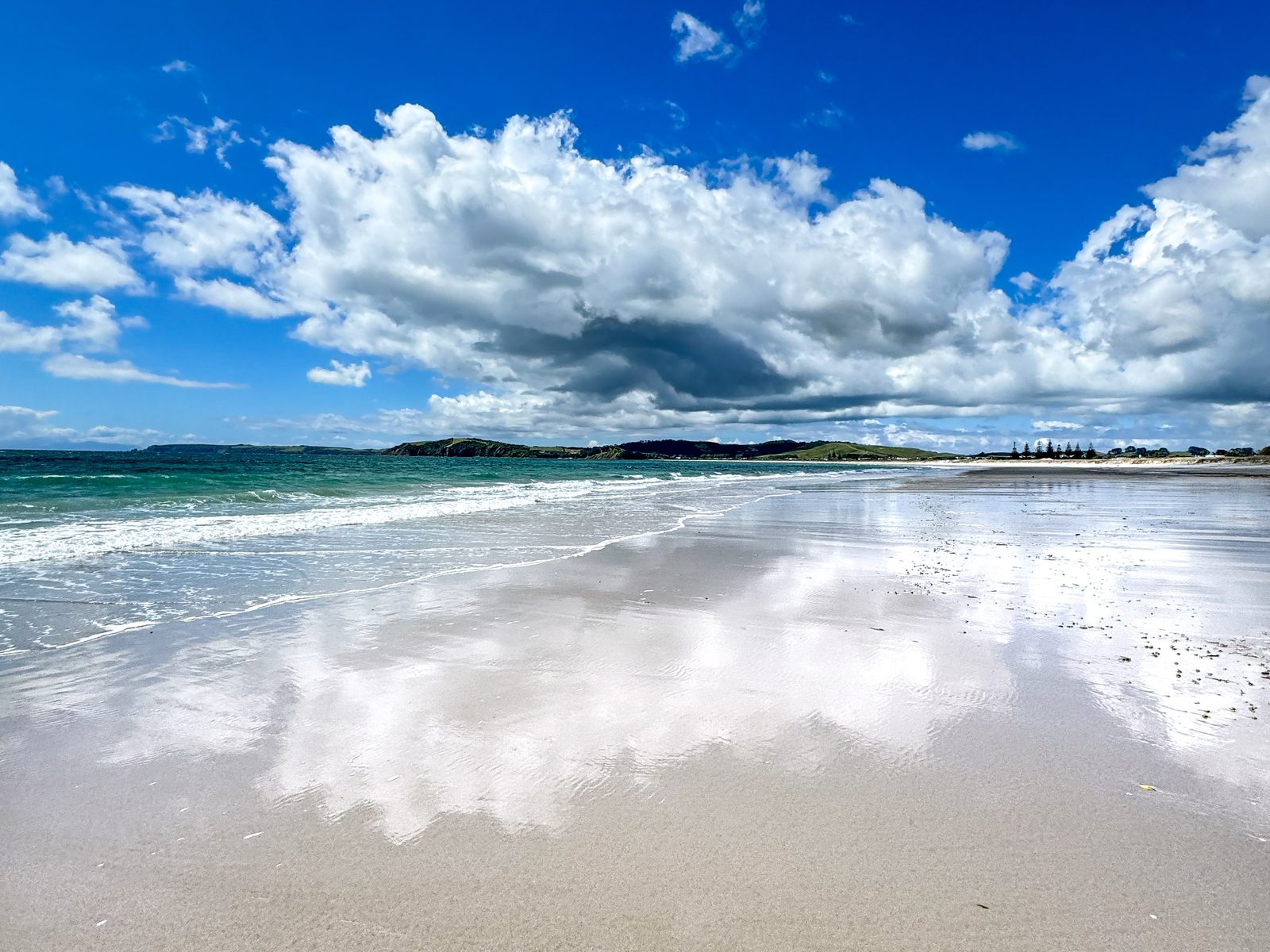
Four kilometres of white sand on the Matakana Coast, with gentle rolling surf that suits beginners and beach breaks peeling left and right for anyone who already surfs.
Volunteer lifeguards from the Omaha Beach Surf Life Saving Club patrol on weekends and public holidays from Labour Weekend to Easter Monday; swim between their flags. There is plenty of parking, and a café in the village.
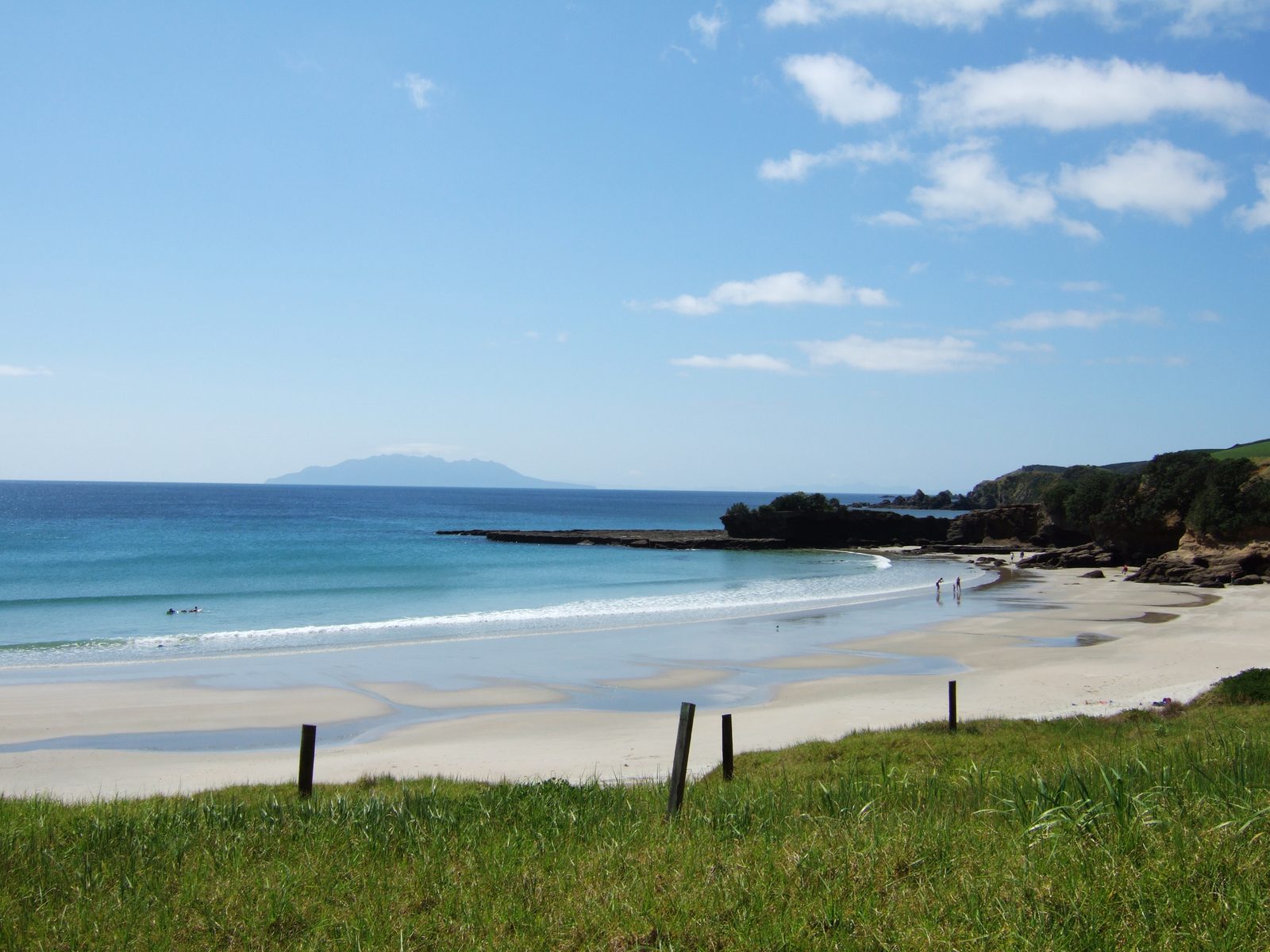
At the end of Takatu Road, Tāwharanui Regional Park has soft white-sand beaches, and Anchor Bay is the one for swimming, bodyboarding and surfing: punchy beach breaks, grass shaded by pōhutukawa, and rock pools and caves to explore at low tide. The water along the park's northern coast is the Tāwharanui Marine Reserve, so bring a mask and snorkel.
Lifeguards from the Omaha club patrol here on weekends and public holidays from mid-December to the weekend after Waitangi Day. The gates open at 6 am and close at 9 pm in daylight saving, 7 pm the rest of the year. Toilets, cold showers and free parking, but no shop, so bring food and water.
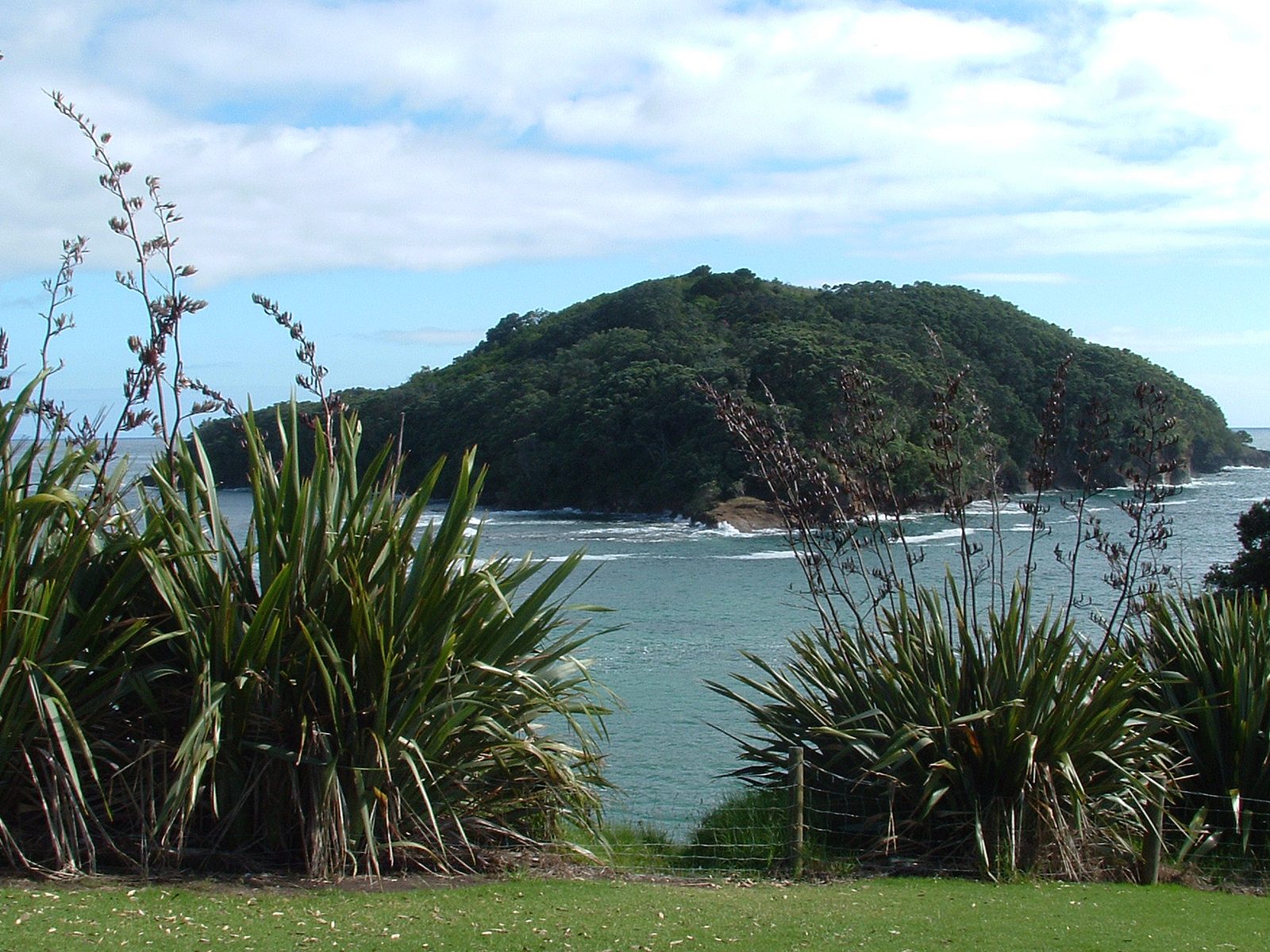
A small, picturesque bay just before Leigh, and one of our favourite places on this coast. A reef and a little island keep the water calm, so it is lovely for a swim, and dive schools use it for training. At low tide, explore the rock pools along the headlands.
From the beach, the Kohuroa Stream track climbs through native bush to a string of waterfalls; the first, with a swimming hole, is about ten minutes in. Toilets, changing rooms and a cold shower by the car park. Afterwards, Leigh Eats in the village does fish and chips, coffee and baking: slices, muffins, and cinnamon or berry brioche.
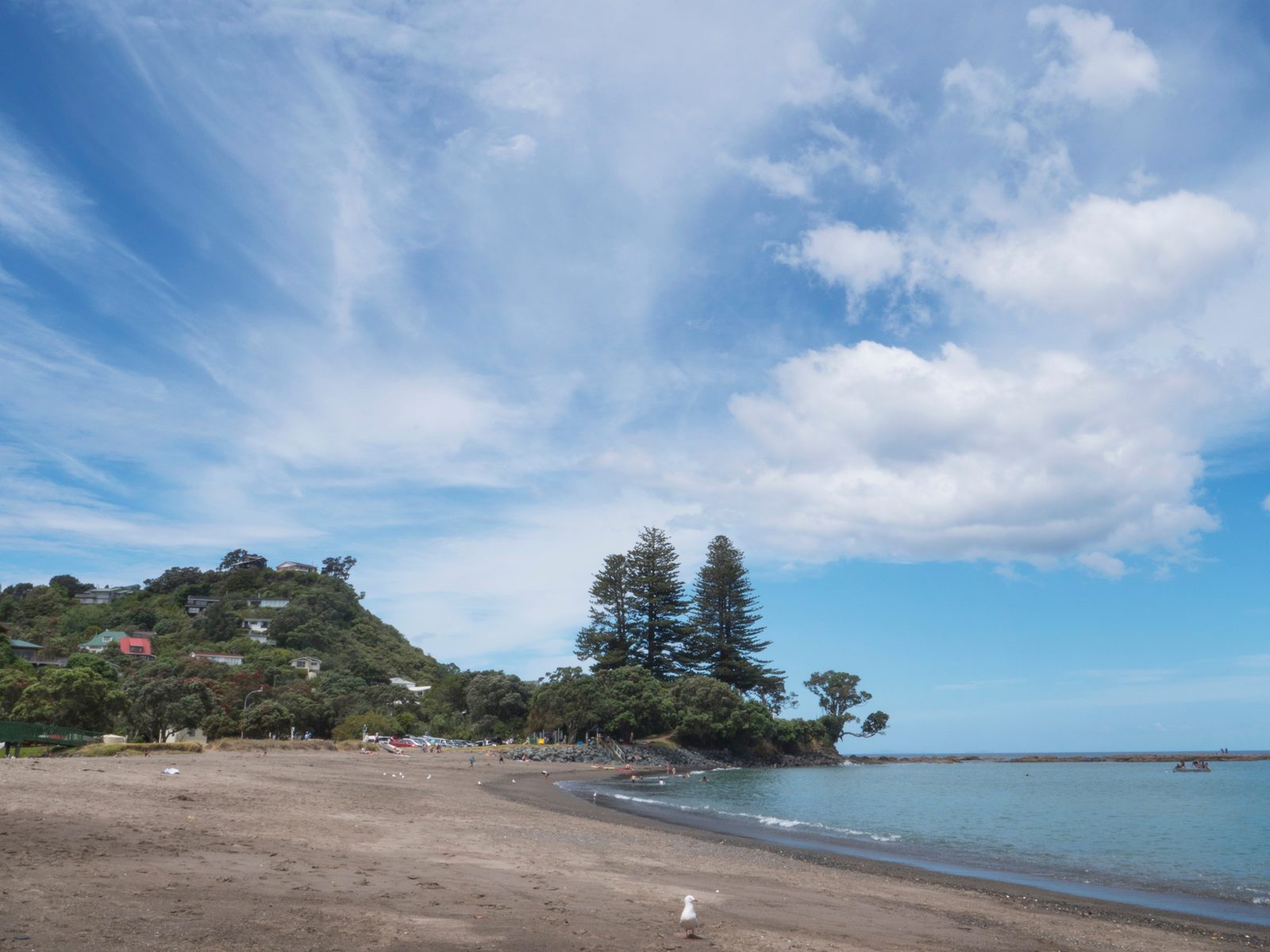
New Zealand's first marine reserve, set up in 1975, and one of the best places near Auckland to see what the sea looks like when it is left alone: the fish are back in numbers, and come close in the shallows off the main beach. Snorkel over the sand and rocks near the shore, or dive the deeper reefs further out.
To stay dry, take the glass-bottom boat, which runs from September to June when the sea allows, or hire a clear kayak. Snorkel gear, wetsuits and kayaks can be hired at the beach. At low tide the rock pools are worth a look; leave everything as you find it.
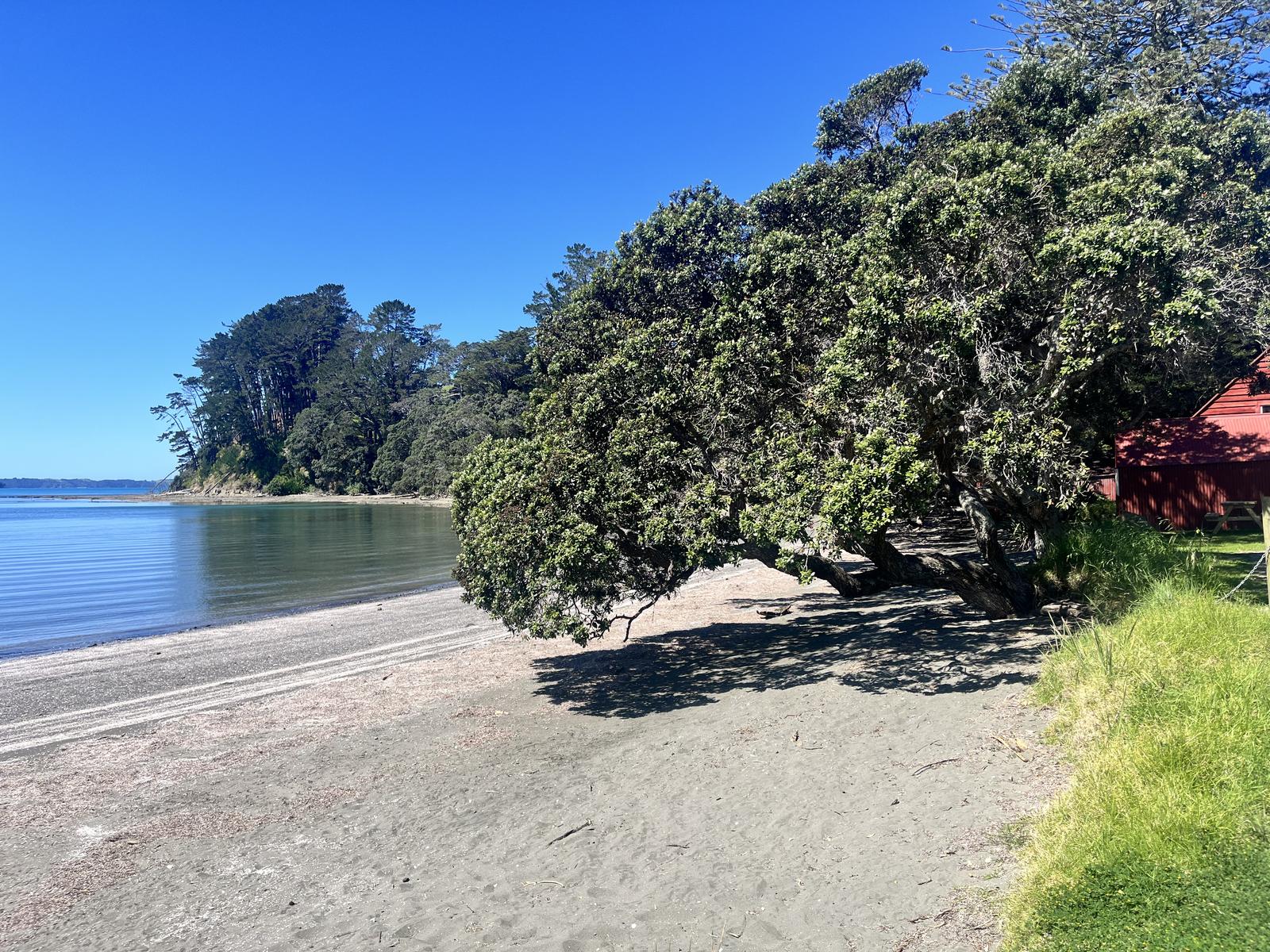
At the north-eastern tip of the Mahurangi Peninsula, a working farm runs down to Scandretts Bay, a sheltered beach of about 400 metres facing north. It is quieter than most regional parks, and the views are lovely. The bay is very tidal: at high tide the water is calm and good for a swim, and at low tide it drains to wide mudflats, so go with the tide. New Zealand dotterels and oystercatchers live along the shore; give their nests room.
The water is a High Protection Area, so no fishing or gathering seafood. There are toilets by the car park but nothing to eat or drink, and no dogs. For the walks over the farm, see Walks & Trails.
The coast here is beautiful, and the sea can change quickly. A few things to know.
Photo credits: Anchor Bay by Brendon Peat and Goat Island by Kaiwhakahaere, public domain; all via Wikimedia Commons.